
Your First Visits
Welcome to Body Logic.
We begin by listening.
A thoughtful two-visit process designed to understand your needs before making recommendations.
Two
Dedicated visits
Zero
Rushed decisions
One
Plan built for you
Why Two Visits
Why We Use a Two-Visit Process
Good recommendations begin with good information.
Your first visit is our fact-finding mission. It allows us to learn about your history, understand your concerns, perform a comprehensive evaluation, and determine whether additional information — such as referred imaging or another professional evaluation — may be appropriate.
Your second visit is the Report of Findings. This gives Dr. Hunter the opportunity to review the information carefully before explaining the findings, answering your questions, and presenting recommendations designed around your individual needs.
This process is intended to create clarity, reduce guesswork, and ensure that recommendations are thoughtful rather than rushed.

Fact-Finding Mission
We listen before we recommend.
A detailed consultation to understand what matters to you — your goals, your concerns, your history, your daily life.
What we listen for
- Your goals
- Your concerns
- Your health history
- Your lifestyle and daily demands

Comprehensive Examination
A precise, individualized evaluation.
Postural assessment, movement screening, orthopedic and neurological testing — shaped by your presentation, not a checklist.
Individualized. Not every patient receives every test.
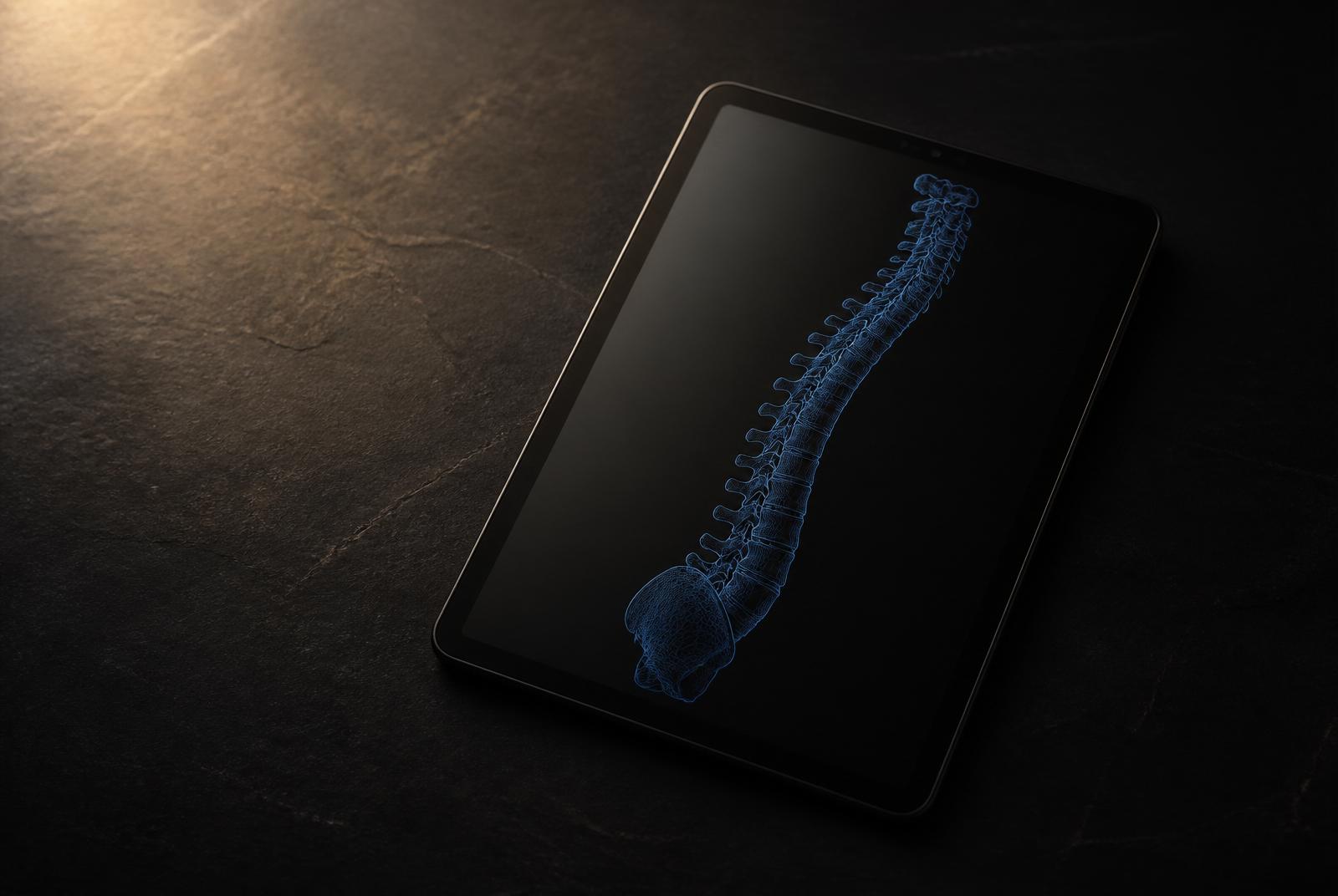
Objective Measurement
Data that supports the conversation.
When clinically appropriate — surface EMG, heart-rate-variability, thermography, posture analysis, CLA Insight — technology adds context to what the examination reveals.
sEMG
Muscle activation
HRV
Autonomic tone
Thermal
Neurological pattern
Posture
Structural alignment
Technology is never a substitute for clinical judgment.

Nervous System
Every signal has a story.
The nervous system coordinates movement, sensation, and repair. Understanding its patterns helps us recommend care that respects how the body actually functions.
Additional Information
When More Information Is Needed
Some patients may need additional information before recommendations can be finalized.
When clinically appropriate, Body Logic Chiropractic may refer the patient for X-rays, advanced imaging, medical evaluation, or another healthcare service.
Any necessary referral identified during the initial evaluation should be discussed as part of the Day One process.
Imaging and referrals are recommended based on clinical need — not as an automatic requirement for every patient.
Decision Pathway
Examination Findings
Is additional information needed?
No
Proceed to clinical review and Report of Findings.
Yes
Coordinate an appropriate referral, obtain the necessary information, and incorporate it into the recommendation process.

After Day One
We review before we recommend.
Dr. Hunter carefully reviews the consultation, examination findings, objective measurements, and any relevant outside information before your Report of Findings.
- What the findings may indicate
- Whether chiropractic care appears appropriate
- Whether referral or collaboration is necessary
- Which care options may be reasonable
- Which recommendations align with your goals

Day Two — Report of Findings
An informed conversation, not a sales presentation.
Dr. Hunter explains what was evaluated, what the findings may mean, which factors may be contributing to your concerns, and which options are available.

Your Customized Plan
Now we know exactly where you are.
And exactly how we can help.
When care is appropriate, recommendations are built around your examination findings, goals, health history, response to previous care, and practical circumstances. You should leave with a clear understanding of the recommendation, the reason behind it, the alternatives, and the option to take time to decide.
Clarity is the outcome we promise. Any clinical result is individual and never guaranteed.
Two-Day Timeline
A clear path from first hello to first step.
Day One
Fact-Finding
Day Two
Report of Findings
Preparing
Preparing for Your First Visit
Bringing these items when available may help us better understand your history. Nothing here is mandatory — arrive with what you have.
- Photo identification
- Relevant insurance information (if applicable)
- Medication list
- Previous imaging reports (if available)
- Relevant medical records (if available)
- Information on prior injuries or surgeries
- Comfortable clothing suitable for movement
- Questions you would like to discuss
- A list of activities or goals affected by your concern
First-Visit FAQ
Questions worth asking before you arrive.
Whether care begins during the first visit depends on your presentation, examination findings, safety considerations, and whether additional information is needed. We do not promise same-day treatment for every patient.
The first visit is designed to give us time to listen, evaluate, and understand — not to rush. Front desk will share current timing when you schedule so you can plan comfortably.
No. Imaging and referrals are recommended based on clinical need — not as an automatic requirement for every patient. If imaging is appropriate we will discuss it and coordinate the referral.
Comfortable clothing suitable for gentle movement and range-of-motion testing.
When chiropractic care is not appropriate — or when another provider should be involved — we will explain that clearly and help direct you toward the right next step.
Yes. Any previous imaging reports or medical records you can share help us better understand your history.
Dr. Hunter explains the findings, answers your questions, and — when care is appropriate — presents recommendations designed around your individual needs. It should feel like an informed conversation, not a sales presentation.
When care is appropriate, yes. Recommendations are built around your examination findings, goals, health history, response to previous care, and practical circumstances. No two plans should be described as identical.
No. You should understand the recommendation, the reason behind it, the alternatives, and the next step before deciding how you would like to proceed.
Absolutely. The Report of Findings visit exists specifically so you can ask questions and make an informed choice.
Progress-evaluation timing is part of your recommendation. We use re-examination and objective measurements appropriate to your presentation.
Yes. When collaboration with another provider is appropriate, we are happy to coordinate.
Next Steps
Schedule Your First Visit
Begin with a comprehensive consultation and examination designed to help us understand your needs before making recommendations.